

On a hilltop in the Madaba Governorate, approximately 25 km southeast of the mouth of the Jordan River, 1,100 metres above Dead Sea level, sit the partially reconstructed remains of an Hasmonean-Herodian fortress.1 The fortress is famous for two reasons: it was Herod the Great's strategic outpost on the Dead Sea border, and it is where — according to the historian Josephus — John the Baptist was imprisoned and executed by Herod Antipas around 32 CE. The story of Salome and the silver platter happens here.
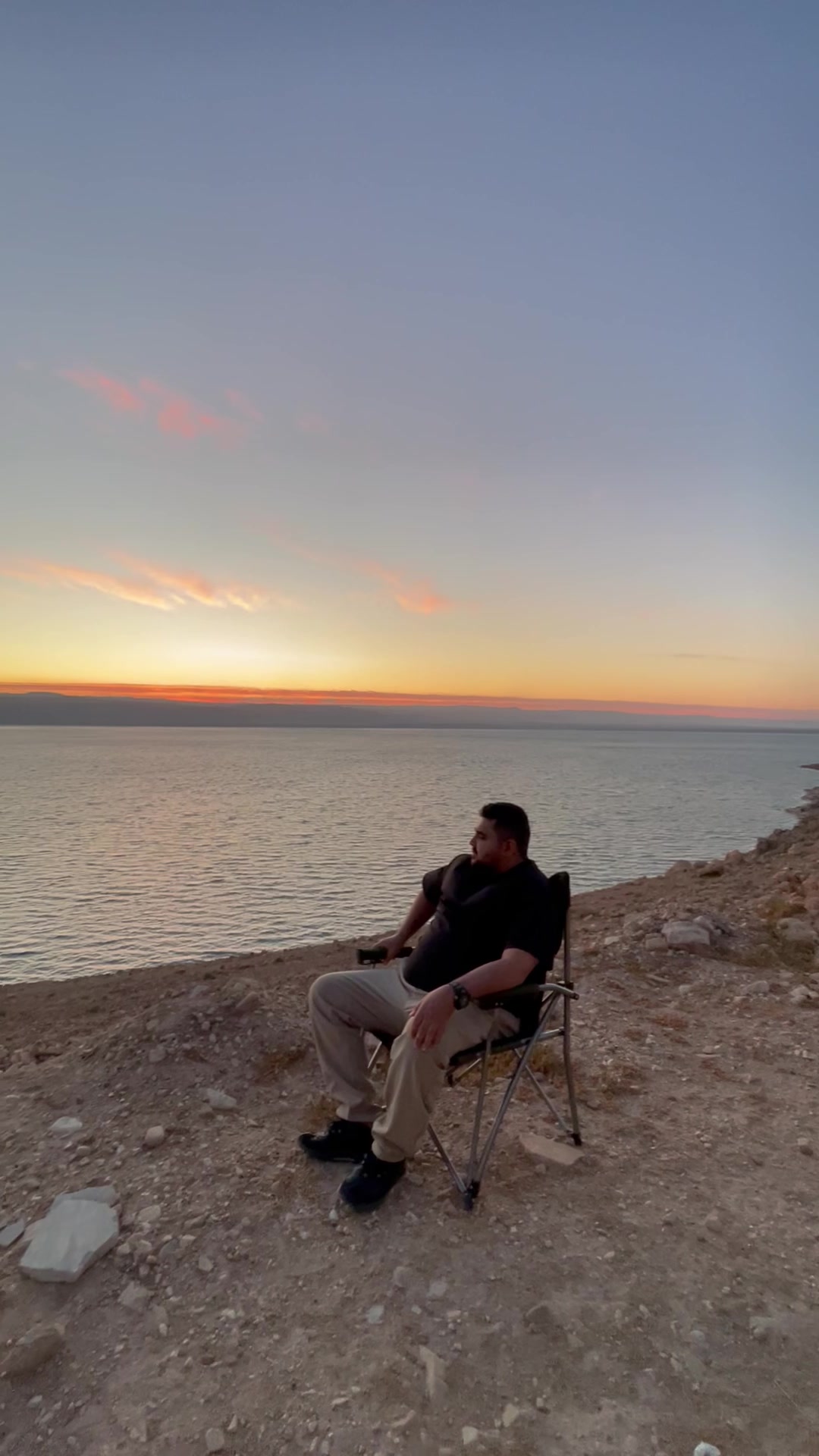
The site is rarely crowded. The view of the Dead Sea from the upper terrace is the kind of mid-afternoon photograph that makes a Jordan trip worth a third day in the area.
1Why visit Mukawir
Mukawir is the rare site where the historical narrative is genuinely well-attested. Josephus, writing within a generation of the events, names the fortress as the place of John the Baptist's imprisonment and execution. The Gospel narrative (Mark 6:21-29) describes the dance of Salome and Herod's promise of "whatever she ask." The two accounts match in the basic outline. You can stand on the upper terrace and see what John saw the morning he was executed.
2From Alexander Jannaeus to John the Baptist
Three layers, each visible:
- Hasmonean (90 BCE). Built by King Alexander Jannaeus around 90 BCE as a strategic desert fortress. The original walls and the cisterns date to this period.1
- Roman destruction (57 BCE). Roman general Gabinius destroyed the fortress.
- Herodian rebuilding (ca. 30 BCE). Herod the Great expanded it substantially with a palace, cisterns, a mikveh, a triclinium, and a peristyle. The triclinium foundations are visible today.
- John the Baptist (ca. 32 CE). Herod Antipas (Herod the Great's son, who inherited Perea) imprisoned John here. Per Josephus, John was executed after roughly two years of imprisonment.
- First Jewish-Roman War (66–70 CE). Jewish rebels held the fortress against the Romans. Eventually surrendered.
3What survives
The site has been excavated since 1968, with a major reconstruction effort using anastylosis (re-erecting fallen columns) between 2014 and 2023. Notable features:
- The Herodian palace foundations. The peristyle courtyard with re-erected Doric columns.
- The triclinium. The dining hall — by tradition, where Salome danced.
- The bath complex. Caldarium and tepidarium with mosaic fragments.
- The cisterns. Hasmonean and Herodian water storage; some are still intact.
- The aqueduct. Brought water from springs 8 km away.
- The hilltop view. Western panorama: the Dead Sea, the Jordan Valley, and on clear days the West Bank highlands.
4Getting there
Mukawir is roughly 80 km southwest of Amman and 35 km west of Madaba. Best as a half-day from Madaba or a stop on a Dead Sea + Madaba day-trip:
- Self-drive. 1.5 hours from Amman, 45 minutes from Madaba. The road is paved but winding.
- Day trip from Madaba. Easy combination with Mukawir + the Dead Sea + the Baptism Site.
- From the Dead Sea resort strip. 30 minutes east, uphill.
For solo travellers
Quiet site; bring a paperback. The walk from the parking area up to the hilltop is 15 minutes uphill on a paved path.
For couples
Late afternoon for the Dead Sea view. The site is unusually unromantic in story (severed head, imperial politics) but astonishingly romantic in setting.
For families with kids
The story (told age-appropriately) is dramatic and engaging. The reconstructed columns are tactile. Bring water; the climb is exposed.
For adventure travellers
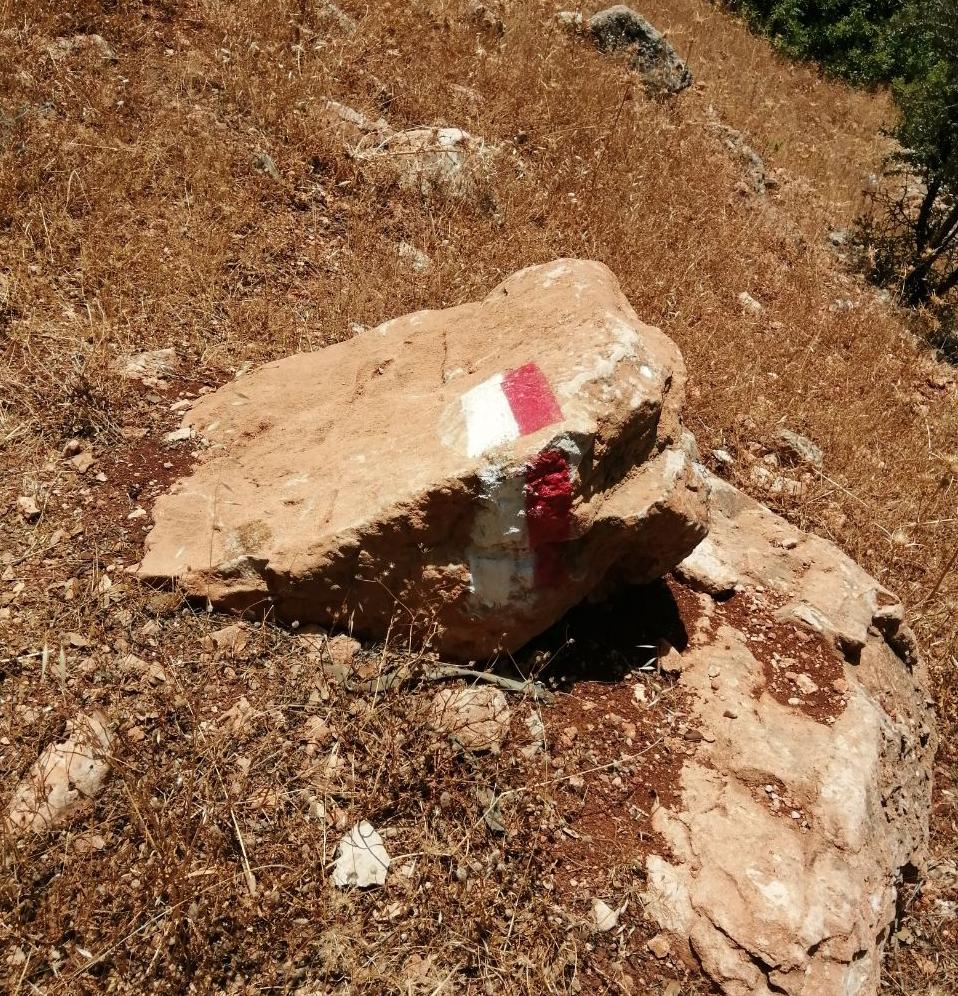
The Jordan Trail's Madaba-to-Mukawir section ends here. A two-day hike from Madaba with overnight camping at the foothills.
Accessibility notes
The walk from the parking to the hilltop is uphill on a paved path with steps near the top — not wheelchair-accessible. The view from the parking area gives a partial sense of the site without climbing.
5Practical tips
- Tickets. A few JD; covered by the Jordan Pass.2
- How long. 90 minutes for a thorough walk + the climb up.
- Best time of day. Late afternoon (3–5 pm) for the western Dead Sea view in golden light.
- Combine with. The Dead Sea + Bethany Beyond the Jordan + Madaba — a full Wadi Mujib + Dead Sea + Christian-history half-day from Amman.
- Photography. The reconstructed columns frame the Dead Sea view from the upper terrace. Drone use requires a permit.
References
Verified by locals: TBD — this article will be reviewed by a Department of Antiquities-affiliated archaeologist before final publication. Drafted from Wikipedia.


Comments (0)