
In 2017, the Jordan Tourism Board partnered with regional cycling organisations to launch the Jordan Bike Trail — a 730 kilometre off-road and mixed-surface MTB route that follows roughly the same north-south corridor as the Jordan Trail, but diverts onto cyclable terrain. The trail starts at Umm Qais on the Sea of Galilee in the north and finishes at the Red Sea in Aqaba. Surface mix is roughly 60% gravel, 25% paved, 15% sand. It's the country's first formal long-distance cycling route, and the most ambitious MTB route in the Levant.
For experienced gravel + MTB riders, it's the defining cycling experience of the region.
1Why the Jordan Bike Trail
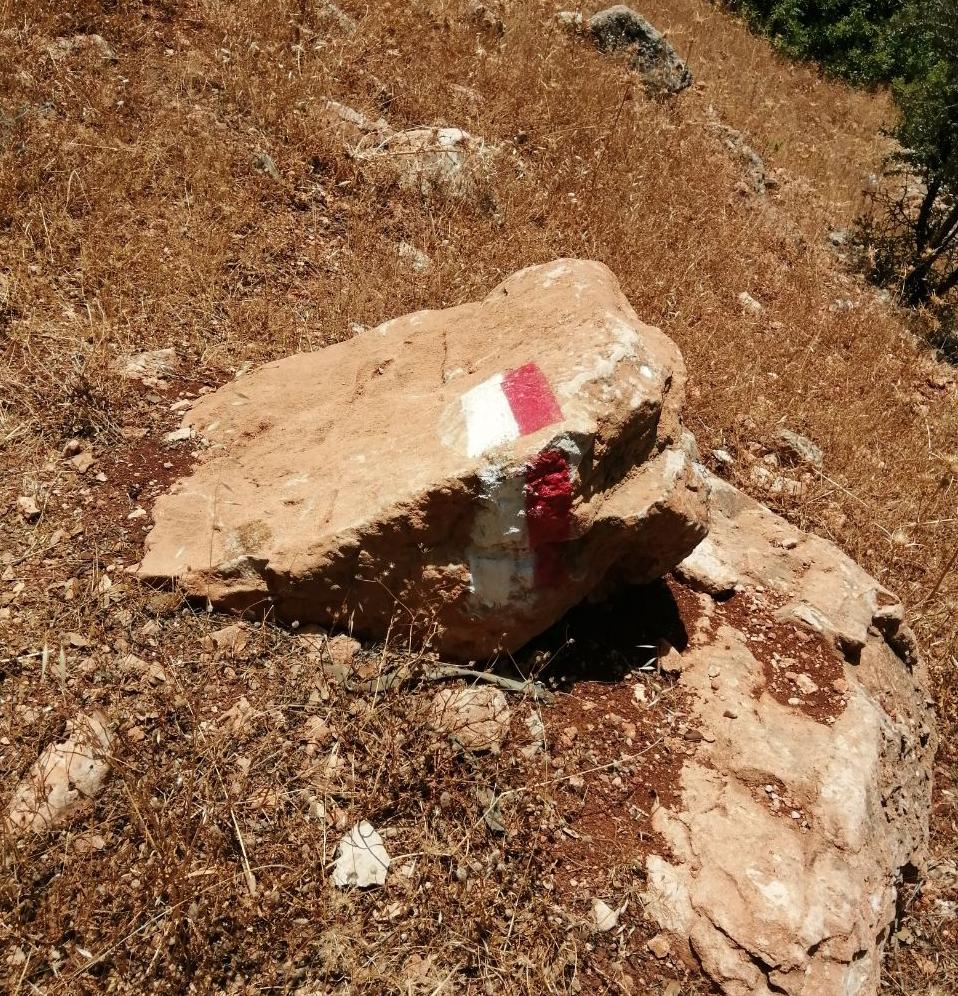
Cycling in Jordan was previously road-cycling on the Desert Highway or the King's Highway — long days, traffic-heavy, limited variety. The Jordan Bike Trail moves the experience off-road: through olive groves in the north, over the Mujib gorge bridge, through Dana's transition zones, down into the Wadi Rum desert, and finally into Aqaba. The route is signposted (with the JBT logo) and supported by registered guesthouses + camps along the way.
2The sections
Most riders break the route into four manageable chunks — each can be done as a 5–7 day section ride:
North loop: Umm Qais → Ajloun → Fuhais. ~180 km. Gentle gravel through olive groves and oak forest. Mediterranean climate. Good intro section for first-time riders. Middle: Fuhais → Madaba → Mujib bridge → Karak. ~200 km. The hardest section. The Wadi Mujib bridge crossing has a 1,200 m descent and re-climb on gravel switchbacks. The defining cycling moment of the trail. Karak → Dana → Petra. ~180 km. The most scenic. Through the Dana valley, dropping into Feynan, then the back-trail into Petra. Petra → Wadi Rum → Aqaba. ~170 km. Desert finale. Sand sections (~15% of total) and fat-bike ride through Wadi Rum if available.3What bike to ride
The trail is most often ridden on:
- Hardtail MTB or gravel bike (most common). 29er hardtail with 2.2-2.4" tyres works for most of the trail. Gravel bike with 42-50 mm tyres works for the gravel-heavy north and middle.
- Full-suspension MTB. Useful for the Mujib descent + the rough sections of Wadi Rum.
- Fat bike. Recommended for the Wadi Rum desert finale section (Section 4).
- E-MTB. Increasingly popular for shorter sections; works well on the gravel + paved mix in the north and middle. Charging points are limited; check with your guesthouse.
4When to ride
March–May. Best season. Wildflowers, mild temperatures, dry trails. September–November. Second-best. Cooler than summer, dry; the sand sections are firmer. December–February. Cold in the north (snow possible at higher elevations); southern sections still ridable. The Mujib gorge can be wet. June–August. Avoid. Heat is unsafe in the southern sections.5Logistics + supply
- Self-supported. Most riders carry their own gear or send it ahead via the JTA's optional luggage-transfer service. ~25-50 USD per day for transfer.
- Guesthouses. JTA-registered guesthouses every 30-50 km. Pre-book in spring season.
- Resupply. Water resupply is critical in the southern sections; villages are sparser.
- GPX tracks. Available from the Jordan Trail Association website.
- Mechanical support. Limited. Bring spare tubes, tyre boots, a chain tool, and the basics. Bike shops in Amman, Petra, and Aqaba.
For solo travellers
The JTA-organised group ride is the safest solo option. ~10–15 riders, fully supported, departure dates in spring + autumn.
For couples
The Karak → Dana → Petra section (~180 km) is the all-in-one for couples — 5–6 days, includes the Petra back-entry by bike.
For families with kids
The trail is too remote and physically demanding for under-14 riders. Stick to the gentler North Loop or one-day rides in the Ajloun area.
For adventure travellers
Thru-ride. ~3 weeks, the defining bike-packing trip in the Levant.
Accessibility notes
Hand-cycle riders should consult the JTA before booking — sections of the trail are not suitable for hand-cycle.
6Practical tips
- Tyres. 2.2-2.4" MTB tyres for the rough sections; 42-50 mm gravel for the smoother stretches.
- Water. 5+ litres per day in southern sections; 3 litres in the north.
- Bag. Bikepacking bags (frame + handlebar + seat-pack) work better than panniers on the gravel + sand surfaces.
- Insurance. Travel insurance with adventure-cycling + medical evacuation.
- Communication. Sat-phone or InReach essential for the Mujib + Wadi Rum sections.
- Booking. Through the Jordan Trail Association at jordantrail.org. Section guides and GPX downloads available.
References
Verified by locals: TBD — this article will be reviewed by a Jordan Trail Association cycling steward before final publication. Drafted from the JTA official site and rider experience.
Comments (0)