

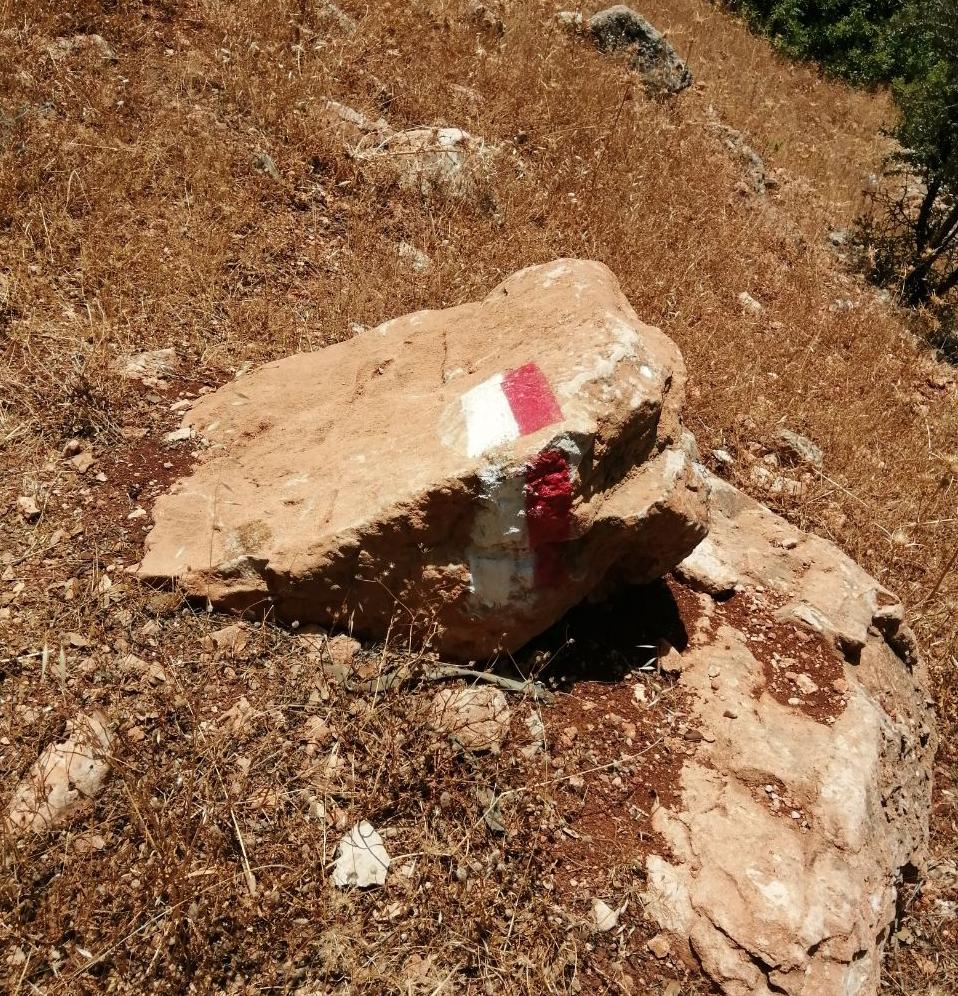
In 2017, the Jordan Trail Association formally launched a long-distance walking trail that runs the length of the country: 675 kilometres from Umm Qais on the Sea of Galilee in the north to the Red Sea at Aqaba in the south. The route stitches together Roman, Crusader, and Bedouin paths through 75 villages, four UNESCO sites, and four climate zones. It can be walked end-to-end as a 40-day thru-hike, or in any of its 8 named sections individually as 4–5 day chunks. The trail is signposted, supported, and logistically straightforward — but it's a long walk in a country that gets brutally hot in summer, and the section-planning and water-resupply matter.
Practical overview for travellers thinking about the trail.
1Why the Jordan Trail
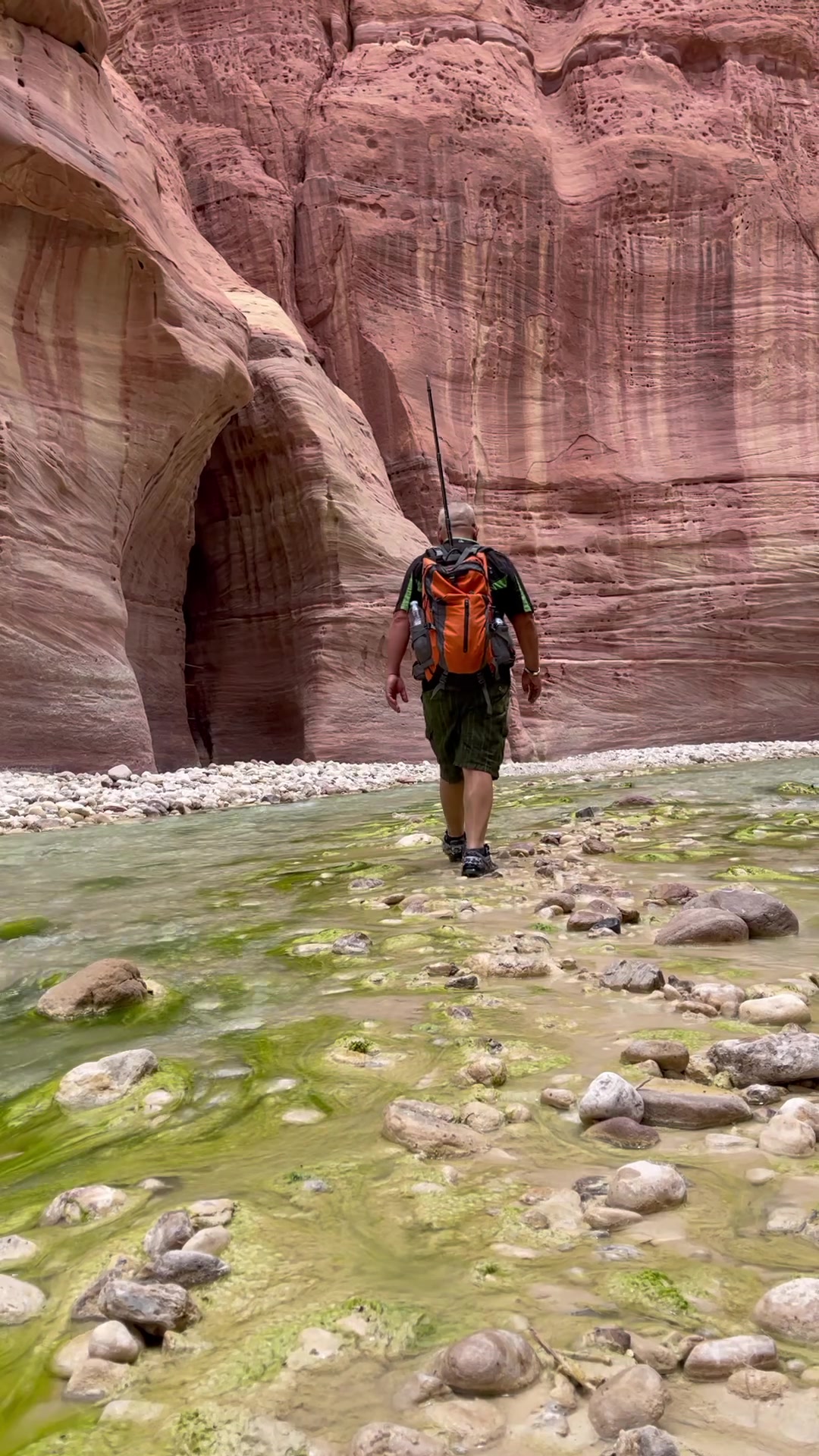
Most long-distance trails in the world cross one or two ecosystems; the Jordan Trail crosses four — Mediterranean highlands in the north, oak-scrub at Ajloun, semi-arid valleys through Karak and Dana, then the Red Sea desert finale at Wadi Rum. It also crosses Roman roads (the King's Highway), Crusader fortresses, the Petra back-trails, and Bedouin grazing lands — all on a single 675 km path. For travellers who want to see Jordan slowly, the trail is the right format.
2The 8 sections
Section 1: Umm Qais → Ajloun. ~80 km, ~5 days. Greek-Roman ruins of Gadara, the cypress forests of Ajloun, the Crusader castle at the southern end. Mediterranean climate, gentle terrain. Section 2: Ajloun → Fuhais. ~85 km, ~5 days. Through the central highlands; small villages, oak-scrub, a moderate climb to the Amman plateau. Section 3: Fuhais → Karak (via Madaba). ~110 km, ~6–7 days. Madaba's mosaic city, Mount Nebo's promised-land view, the descent to the Wadi Mujib bridge crossing. Section 4: Karak → Dana (via Mujib bridge). ~85 km, ~5 days. Karak Castle, the Wadi Mujib gorge crossing (the hardest single day of the trail), into the Dana Biosphere Reserve. Section 5: Dana → Petra (via Feynan). ~70 km, ~5 days. The most scenic section. Through the Dana valley to the Feynan Ecolodge, then the White Dome Trail and finally the back-route into Petra. The ending is the spectacular descent into the Petra basin. Section 6: Petra → Wadi Rum. ~80 km, ~5 days. From Petra into the desert, through the Wadi Rum protected area, ending at the Visitor Centre. Section 7: Wadi Rum → Aqaba. ~75 km, ~4 days. The desert finale to the Red Sea coast. The only section with sea-level finish. Bonus: Bethany Beyond the Jordan loop. An additional UNESCO inscription at the Baptism Site, often added as a side day.3When to walk
March–May (best). Spring wildflowers, mild temperatures (15–25 °C in the north, 20–30 °C in the south). The most popular thru-hike season. Book 6+ months ahead for the JTA-organised treks. September–November (second-best). Autumn cooling, dry stable weather. Slightly warmer than spring; less wildflower density. December–February. Cold in the north (snow possible). The southern sections (Dana → Aqaba) are still walkable; northern sections require cold-weather gear. June–August (don't). Brutal heat in Wadi Mujib, Dana, and Wadi Rum. 40+ °C with little shade.4Section vs thru-hike logistics
Two ways to walk the trail:
- Self-guided section. Walk one or two sections of your choice. The JTA publishes GPX tracks and section guides. Stay at registered guesthouses or camp at marked sites. Best for first-time long-distance hikers in Jordan.
- JTA-organised thru-hike. 40 days end-to-end, fully supported. Group of 8–12 walkers, daily luggage transfer, prepared meals, all stays booked. Departures in spring and autumn only. ~3500–5000 USD per person.
For solo travellers
Solo on the JTA-organised thru-hike works well — the group is mostly solo travellers, you're never alone but never crowded.
For couples
The Dana → Petra section (Section 5) is the all-in-one — one week, includes the Petra back-entry. Best couple-week trail in Jordan.
For families with kids
Section 1 (Umm Qais → Ajloun) and Section 2 are the most family-friendly — gentle terrain, well-supplied villages. Avoid Section 4 (Mujib bridge) with younger kids.
For adventure travellers
Thru-hike. 40 days. The defining hike of the Levant.
Accessibility notes
The trail is largely on uneven terrain and not wheelchair-accessible. The Madaba Map and Petra Visitor Centre are accessible visit-points along the route.
5Practical tips
- Water. Section 4 (Mujib) and Section 6 (Wadi Rum) require careful water planning — 4+ litres per day in summer. JTA publishes resupply maps.
- Footwear. Mid-cut boots with proven mileage; the trail has loose-rock sections.
- Communication. Carry a satellite phone or InReach for the Mujib and Wadi Rum sections — cellular coverage is patchy.
- Booking. Through the Jordan Trail Association at jordantrail.org. Section guides and GPX downloads available.
- Insurance. Travel insurance with hiking + medical evacuation.
References
Verified by locals: TBD — this article will be reviewed by a Jordan Trail Association steward before final publication. Drafted from the JTA official site and traveller experience.

Comments (0)