

Half an hour west of Madaba, on the Jordanian bank of the Jordan River, sits one of the most archaeologically dense pilgrimage sites in the world. Al-Maghtas — the Arabic for "the immersion" — has been venerated since the Byzantine period as the place where John the Baptist baptised Jesus. UNESCO inscribed the site in 2015 as a World Heritage Site on the eastern bank of the Jordan River, under cultural criteria (iii) and (vi).1
Excavations have uncovered three churches, three baptismal pools, a Byzantine monastery, hermit caves in the Quattara hills, and Roman-era pilgrimage infrastructure. The river itself — heavily diverted upstream — is now narrow enough to cross on foot.
1Why visit Bethany
The site is significant for two related reasons. First, the religious tradition: the location of the Baptism of Jesus by John the Baptist, venerated as such since at least the Byzantine period. Second, the archaeology: layered evidence of pilgrimage activity from the 5th–6th centuries onwards, including the only well-preserved Byzantine pilgrimage church complex on the Jordan River.1
Wikipedia notes that "there is no archaeological evidence of Jesus ever having been baptized in these waters" — but that's true of any first-century identification. What's certain is that pilgrims have been coming here continuously since the 4th century CE.
2The UNESCO inscription
Inscribed in 2015 under cultural criteria (iii) — exceptional testimony to a cultural tradition — and (vi) — direct association with events of outstanding universal significance. The inscription covers two zones: Tell Mar Elias (associated with the prophet Elijah) and the Baptism Site itself on the riverbank, including the church complex and the springs.
3What's on the site
A 2 km walking circuit, with electric tram service for visitors who can't walk it:
- The Visitor Centre + small museum. Orientation, models of the Byzantine pilgrimage path, key artefacts.
- The 5th-century Byzantine monastery. Foundations, the chapel, monastic cells.
- Three baptismal pools. Stone-cut, used by Byzantine pilgrims.
- The Spring of John the Baptist. A spring associated with John's baptismal activity in early Christian texts; ancient ceramic delivery pipes still visible.
- The Upper Basilica with marble steps, dated to 570 AD.1
- Hermit caves in the Quattara hills. 5th–6th century anchorite cells where monks lived in seclusion.
- The riverbank platform. Modern wooden platform on the Jordanian shore. Israelis on a similar platform across the (~5 m wide) river.
- The Greek Orthodox + Roman Catholic + Anglican churches. 20th-century churches built by the major Christian denominations to commemorate the site.
4The river itself
The Jordan River at Al-Maghtas is currently a stream — perhaps 5 metres wide, knee-deep — because of upstream diversion to Israel's National Water Carrier (completed 1964). The visual mismatch between the religious significance and the modest physical river is part of the experience. Modern pilgrims still use the water for symbolic immersion or baptism; the site has changing rooms and a designated immersion area.
5Getting there
Al-Maghtas is roughly 50 km west of Amman, just below sea level. Easiest options:
- Self-drive. 1 hour from Amman via the Dead Sea highway. Free parking at the Visitor Centre.
- Day trip from Amman. Combine with the Dead Sea (15 km south) for a half-day. Many tour operators offer this combo.
- From Madaba / Mount Nebo. 30 km / 40 minutes downhill.
For solo travellers
Take the Visitor Centre tram on the way in, walk back. The site's pilgrimage atmosphere is contemplative; bring a journal.
For couples
Combine with Mount Nebo + Madaba for a religious-history half-day. Stay in Madaba overnight for the Friday Eastern Christian liturgy at St. George's.
For families with kids
The tram is the kid-friendly option (kids find the walk dull). The river itself is the highlight — they can wade.
For adventure travellers
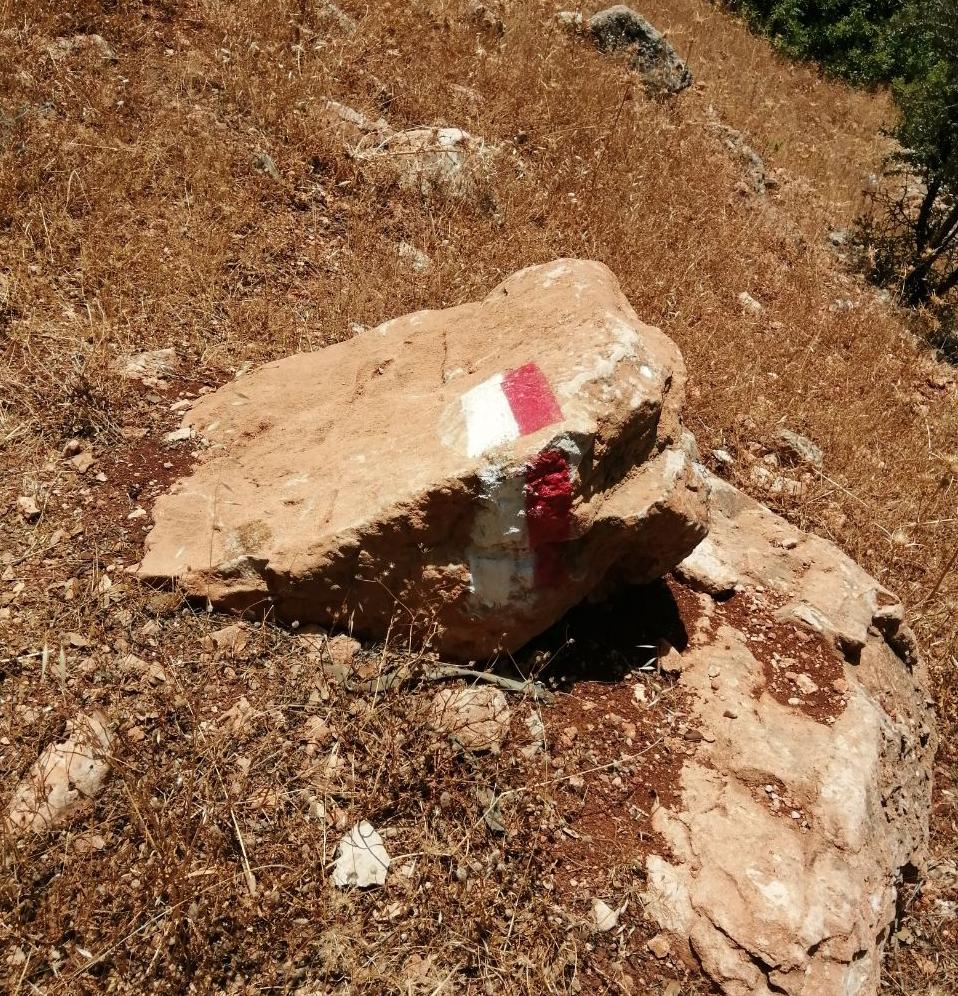
The Jordan Trail's southern terminus (or northern start) is at the Dead Sea, 15 km south of Al-Maghtas. Combine the Baptism Site with a day-hike on the eastern shore of the Dead Sea.
Accessibility notes
The Visitor Centre has step-free entry. The 2 km walking circuit is paved and has a tram alternative — wheelchair-accessible with assistance. The riverbank platform is accessible.
6Practical tips
- Tickets. A few JD; covered by the Jordan Pass.2
- How long. 2 hours for the full walking circuit + churches; 90 minutes if you take the tram in and walk back.
- Best time of day. Late afternoon — the Jordan Valley heat is brutal at midday in summer.
- Combine with. Mount Nebo (40 min east), the Dead Sea (15 min south), Madaba (45 min east) for a full day from Amman.
- Religious sensitivity. The site is actively used by pilgrims — dress modestly, especially around the immersion area.
References
Verified by locals: TBD — this article will be reviewed by a Department of Antiquities-affiliated archaeologist or a Christian denominational representative before final publication. Drafted from Wikipedia.

Comments (0)