

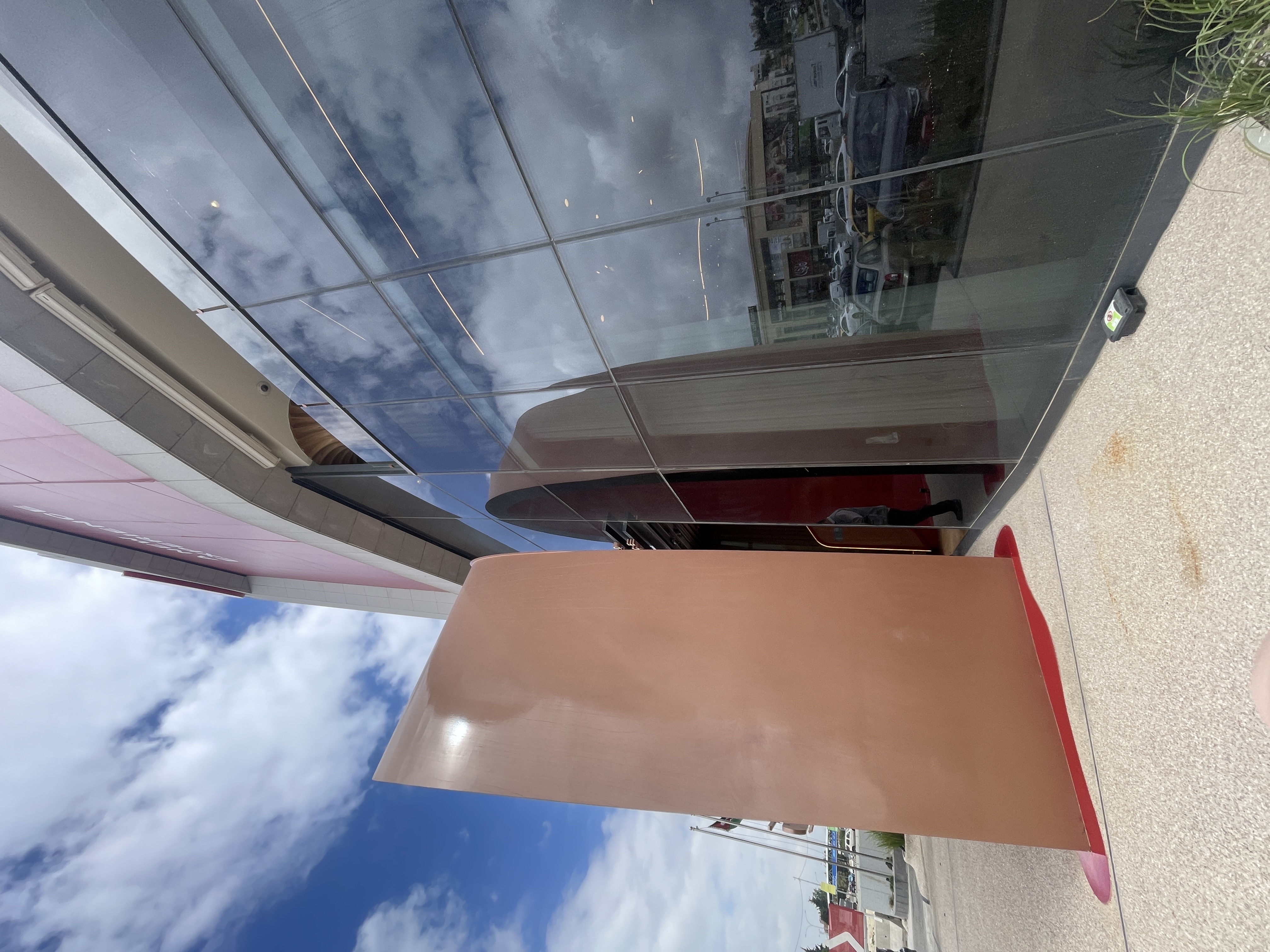
Of Amman's seven original hills, Jabal Amman was the one that was never fortified. The Citadel hill across the wadi held the Roman temple and the Umayyad palace; Jabal al-Joufah held the theatre. Jabal Amman was farmland, then orchards, then — when Abdullah I made the city the capital of Trans-Jordan in the 1920s — the residential ridge of the new political class. Walking it now is the easiest way to read Amman's 20th-century history: cabinet ministers' villas, the original Hashemite-era schools, the Ittihad Church, the Old Houses with their deep verandas.
It is also the centre of contemporary Amman: the cafés, the design shops, the galleries, and the Friday market.
1Why walk Jabal Amman
Jabal Amman was settled by elites after Amman was declared the capital of Trans-Jordan. Cabinet ministers, ambassadors, and old merchant families built single-storey stone houses with deep front porches running the entire front exposure. In 2005, authorities designated it a heritage attraction point, and the Jabal Amman Residents Association (founded 2004) hosts cultural events including Souk Jara.1
2The Circles, in order
The hill is structured around a series of traffic roundabouts — the "Circles" — that run east-to-west along the ridge. The First through Fourth Circles each anchor a different stretch:
- First Circle (Al-Salam Square). The eastern anchor. Cafés, the British Council, Rainbow Street begins here.
- Second Circle. Embassies and the Mango House cluster.
- Third Circle. Le Royal Hotel, the Sufra restaurant district.
- Fourth Circle. The Prime Minister's office and a quieter residential stretch.
3The Old Houses
The hill's heritage is in its houses. Several are accessible to visitors:
- The Jordan River Foundation House. An NGO occupying a restored villa near First Circle. Showroom of artisan products inside; small fee for the heritage tour.
- Belbeisi Palace. Restored merchant house, occasionally open for events.
- Al-Mufti House. One of the earliest stone villas — the Mufti family's residence from the 1920s.
- Mango House. Restored and reopened as a small cultural centre near Mango Street.
- Ittihad Church. Modern reinforced-concrete evangelical union church on the ridge.
4Souk Jara on Fridays
The Jabal Amman Residents Association founded in 2004 runs Souk Jara, a Friday market that runs spring through autumn, in the square at the eastern end of Rainbow Street. Crafts, food, live music, and the friendliest crowd in the city. The market is the easiest way to see modern Jabal Amman as a community — not just an architectural specimen.
For solo travellers
Walk all four Circles in 90 minutes. Stop at Books@Cafe, then a rooftop on Rainbow Street for sundown drinks.
For couples
Friday afternoon at Souk Jara, then dinner on Rainbow Street. The whole hill comes alive that evening.
For families with kids
Souk Jara is the family day. Plan around it. The Old Houses are short walks between cafés — break the ridge into 30-minute chunks.
For adventure travellers
Walk the ridge end-to-end (First → Fourth Circles, ~3 km) and continue down to King Hussein Park to the west. Half-day total.
Accessibility notes
The ridge has gentle slopes; sidewalks are wide enough for wheelchairs but uneven in places. Most cafés have step entries; a few have ramps. Park near each Circle in turn rather than walking the whole length.
5Practical tips
- Best time of day. Late afternoon for the cafés and the Friday market.
- How long. 2–3 hours for a full ridge walk. Add a Friday market afternoon to make it a half-day.
- Combine with. Rainbow Street (the eastern half of Jabal Amman, see the Rainbow Street post), Citadel, Roman Theatre.
- Photography. The Old Houses are still occupied; don't intrude. Public-sidewalk shots are fine.
References
Verified by locals: TBD — this article will be reviewed by a Jabal Amman Residents Association-affiliated editor before final publication. Drafted from Wikipedia.

Comments (0)