

The short answer is March–May or September–November. The long answer is that Jordan is small enough to span four climates — Mediterranean in the highlands, hot desert in Wadi Rum, hot-and-humid below sea level at the Dead Sea, and chilly-with-occasional-snow in Amman in January — and the right month for you depends on which of those you want to be in. The travel industry pushes spring and autumn for good reason, but a thoughtful itinerary can work in summer (do your Petra at dawn, your Amman at midday, your Dead Sea sunsets) or winter (hike the Jordan Trail, swap Wadi Rum for the Eastern Desert castles).
Here is the month-by-month for the actual planner.
1The four climates
- Highlands (Amman, Madaba, As-Salt, Karak). Mediterranean — cool wet winters (5–15 °C with occasional snow), hot dry summers (25–35 °C). The most temperate parts of the country.
- Petra + Wadi Rum. Hot desert — mild winters (5–18 °C), brutal summers (35–42 °C in the shade). Petra at noon in August is unsafe for young children and the elderly.
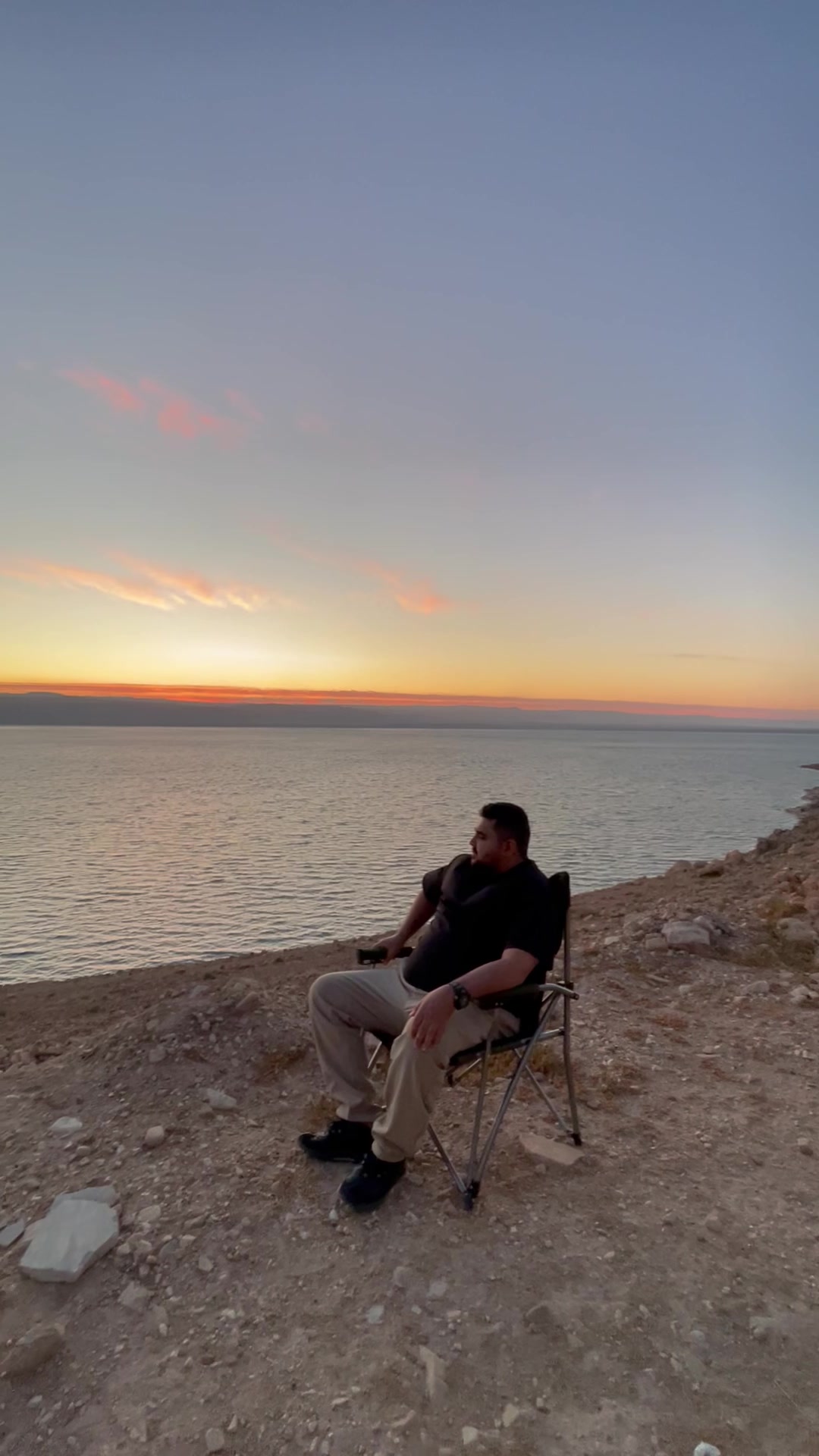
- Dead Sea + Jordan Valley. Below sea level (-430 m) — the country's hottest zone. Summers reach 45 °C+ with high humidity. Winters are 18–25 °C and pleasant.
- Aqaba + Red Sea. Desert-coastal — warm year-round, summers hot (35–40 °C), winters very mild (15–22 °C). Snorkelling and diving are good year-round.
2Month-by-month
January. Coldest month. Amman 5–13 °C, occasional snow at altitude. Petra is cool and quiet (often empty by mid-afternoon). The Dead Sea is at its most pleasant. Best for: Petra without crowds, the Dead Sea, the Eastern Desert castles. February. Still cool. Almond trees flower in the highlands. Wadi Mujib's water trails are closed (winter flood risk). Best for: hiking the Jordan Trail in the south, Aqaba diving. March. Spring begins. Wildflowers in the Jordan Valley, Pella, Ajloun. Wadi Mujib reopens around mid-March (varies by year). Best for: archaeology + nature reserves. April. Peak spring. Daytime 18–28 °C in highlands. The country looks green for two weeks. Best for: anything outdoor. Book accommodations early. May. Late spring, getting warmer. Petra is comfortable until midday. Best for: Jordan Trail thru-hikes, Wadi Rum overnight (cool nights). June. Summer arrives. Petra hot from 11am; Wadi Rum nights still cool. The shoulder for budget travellers — fewer crowds, cheaper accommodations. Best for: dawn Petra walks, sunset Wadi Rum, Aqaba. July. Hottest month in Petra and Wadi Rum (40 °C+). Jordan Valley is brutal. Amman is bearable in the highlands but hot at midday. Best for: Aqaba (sea breeze), Amman highland evenings, the Jerash Festival. August. Heat continues. Same advice as July. Best for: Mediterranean coast travellers wanting a desert detour, Aqaba diving (warm water visibility peak). September. Heat starts to break. Late September is one of the best weeks of the year — warm, dry, post-summer crowds gone. Best for: comfortable Petra walks, Wadi Rum stargazing. October. Peak autumn. Equivalent to April for ideal conditions. Daytime 22–28 °C in highlands. Best for: anything outdoor. The most popular month — book early. November. Late autumn, occasional rain. Wildflowers reappear briefly in the Jordan Valley. Wadi Mujib still open. Best for: Petra, Wadi Rum overnight (cooler), the Dead Sea. December. Winter begins. Cold in highlands, possibly snow late month. The Dead Sea and Aqaba are pleasant. Best for: budget travel, the Dead Sea, the Eastern Desert.3Ramadan: a different rhythm
If your trip overlaps Ramadan (the dates shift by ~11 days each year — check the Islamic calendar), expect a different rhythm. Most restaurants close during daylight hours; some hotels offer in-room food. Sites stay open. After sunset (Iftar) the country comes alive — the streets are busiest 7pm–midnight. It's a fascinating time to visit if you don't mind shifting your meal schedule.
4Jordanian + Israeli school holidays
Jordan and the West Bank both have school holidays that affect site crowding. Worth checking:
- Jordanian summer holidays (mid-June to early September). Domestic crowds at the Dead Sea, Aqaba beaches, and Wadi Mujib.
- Eid al-Fitr + Eid al-Adha. 3-day Islamic holidays. Petra and Wadi Rum are crowded with domestic visitors. Hotels book out.
- Christmas / New Year. The Baptism Site and Mount Nebo see Christian pilgrim crowds.
- Israeli Pesach (April) / Sukkot (Sept-Oct). Jordanian sites near the West Bank crossings see surge crowds.
For solo travellers
Late September or late October are ideal — comfortable conditions, fewer crowds than peak spring. Book Petra accommodations 4–6 weeks ahead.
For couples
April and October are the romance months. Wadi Rum stargazing is best in autumn (clearer skies, dry air). Book the Wadi Rum bubble-tents 6+ weeks ahead.
For families with kids
March or November — comfortable conditions, lower humidity. Avoid July–August; the heat is rough on younger children.
For adventure travellers
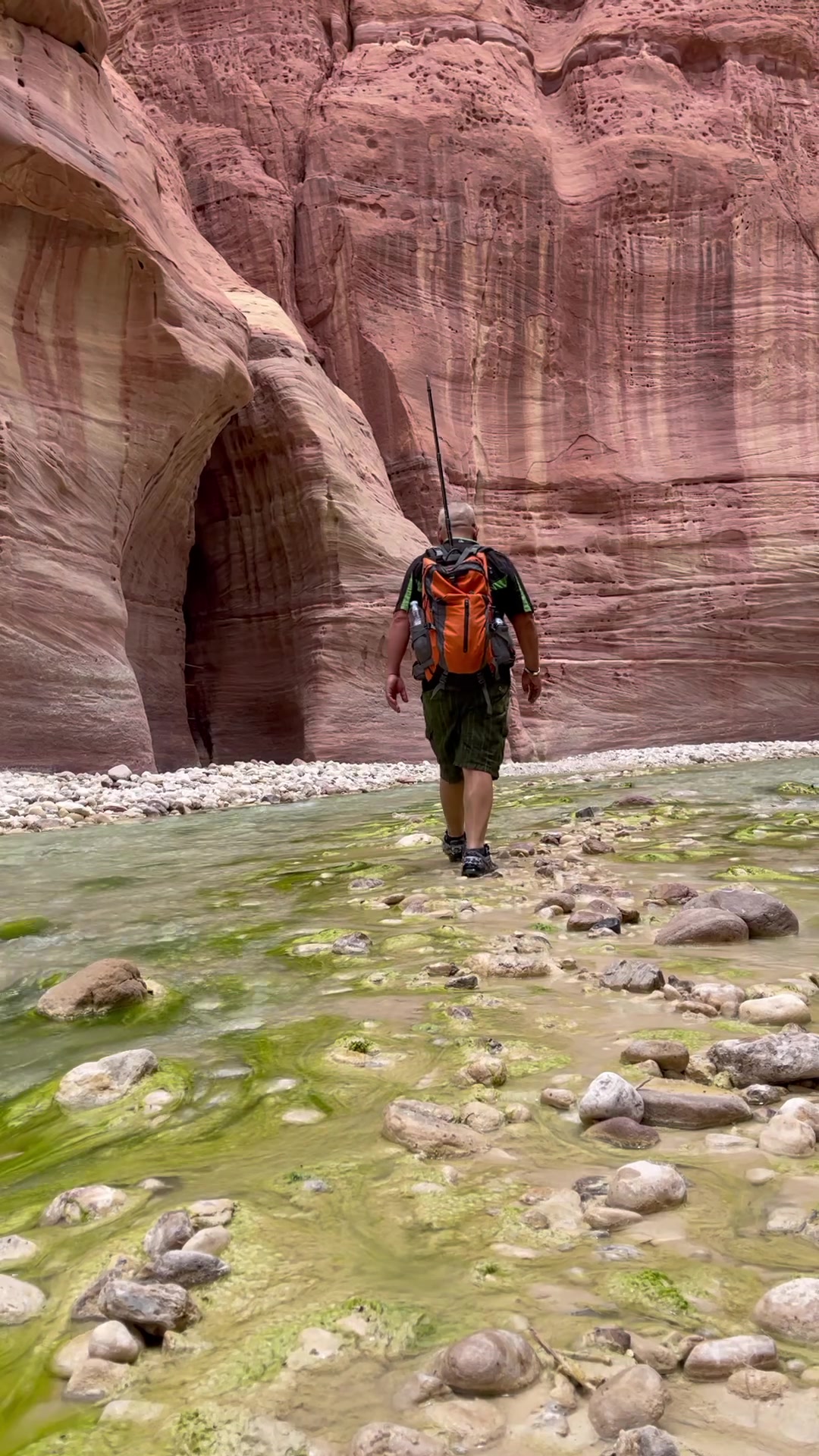
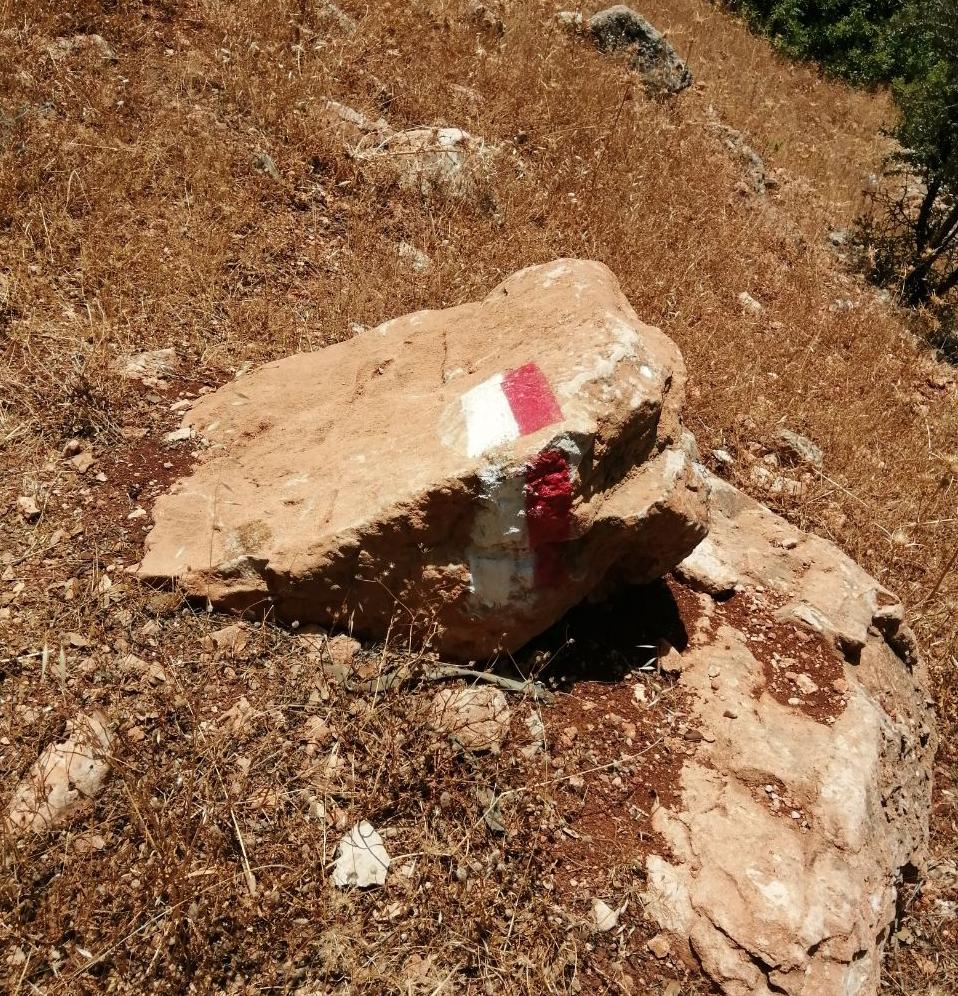
Jordan Trail thru-hikes are best March–May (south to north) or October–November (north to south). Wadi Mujib canyon hikes April–November.
Accessibility notes
April and October give the most comfortable conditions for accessible itineraries. Avoid winter (rain on stone makes the Petra approach slippery) and peak summer (heat-stress risk).
5Practical tips
- Book by month before peak. April and October sell out 4–6 weeks ahead.
- Check Wadi Mujib status. The canyon water trails close in winter (Nov–March) for safety.
- Petra at dawn in summer. Be at the Visitor Centre by 6am; you'll do the Treasury and the Royal Tombs in cool shade.
- Layer for highland evenings. Even in August, evening temperatures in Amman drop to 18–20 °C.
- Visit Jordan posts a "Best time" calendar on its official site — corroborate against your specific itinerary.1
References
Verified by locals: TBD — this article will be reviewed by a Visit Jordan-affiliated guide before final publication. Drafted from the Visit Jordan official site and traveller experience.

Comments (0)