
If Wadi Rum is the famous Jordanian stargazing destination, Rummana is the quieter alternative — and on a clear summer night, arguably the better sky. The campground sits at 1,250 metres on a ridge inside the Dana Biosphere Reserve, far enough from Aqaba and Petra that the only light pollution is the occasional Bedouin headlamp on the next ridge. Bortle Class 2 most nights, Class 1 in the deep summer when the air is at its driest. The galactic core comes up before midnight April through September; the Milky Way arches across a sky that would have been unremarkable to a Roman traveller and is rare to a modern one.
Three nights here is one of the best stargazing trips you can do in the Levant.
1Why Rummana over Wadi Rum
Both sites have very dark skies. Rummana wins on three counts:
- Higher elevation (1,250 m vs Wadi Rum's 900 m). Less atmosphere overhead. Better seeing.
- Cooler summer nights. Wadi Rum hits 25 °C+ in July nights; Rummana stays closer to 18–22 °C. More comfortable for a 4 am observation session.
- Quieter. Wadi Rum has hundreds of camps; Rummana has one. The sound of the desert here is wind and the occasional ibex.
Wadi Rum wins on accessibility (year-round, easier to reach) and on the desert atmosphere. Most travellers do both — one night each — for the comparison.
2Month-by-month target calendar
April. Campground opens late March or April. Galactic core rises before dawn. May. Core up by midnight. Antares visible in Scorpius. June–July. Peak galactic core season. Core up by 9–10 pm; reaches zenith by 1–2 am. August. Perseid meteor shower peaks Aug 12–13. Best night of the year for casual observers. September. Air clarity at its peak. Cygnus / North America Nebula at zenith. October. Last good month. Galactic core sets earlier; autumn constellations rise. Campground typically closes late October before the rains.3The campground itself
Rummana is operated by the Royal Society for the Conservation of Nature (RSCN). The setup:
- Tents on platforms. Standing-height tents, real mattresses, sheets. More like a yurt experience than a backpacker tent.
- Communal dining tent. RSCN dinner — fresh bread, mansaf or maqluba, salads, mint tea.
- No electricity in tents. Solar lanterns. Charging at the dining-tent solar bank.
- Toilets + cold showers. Communal block. Clean.
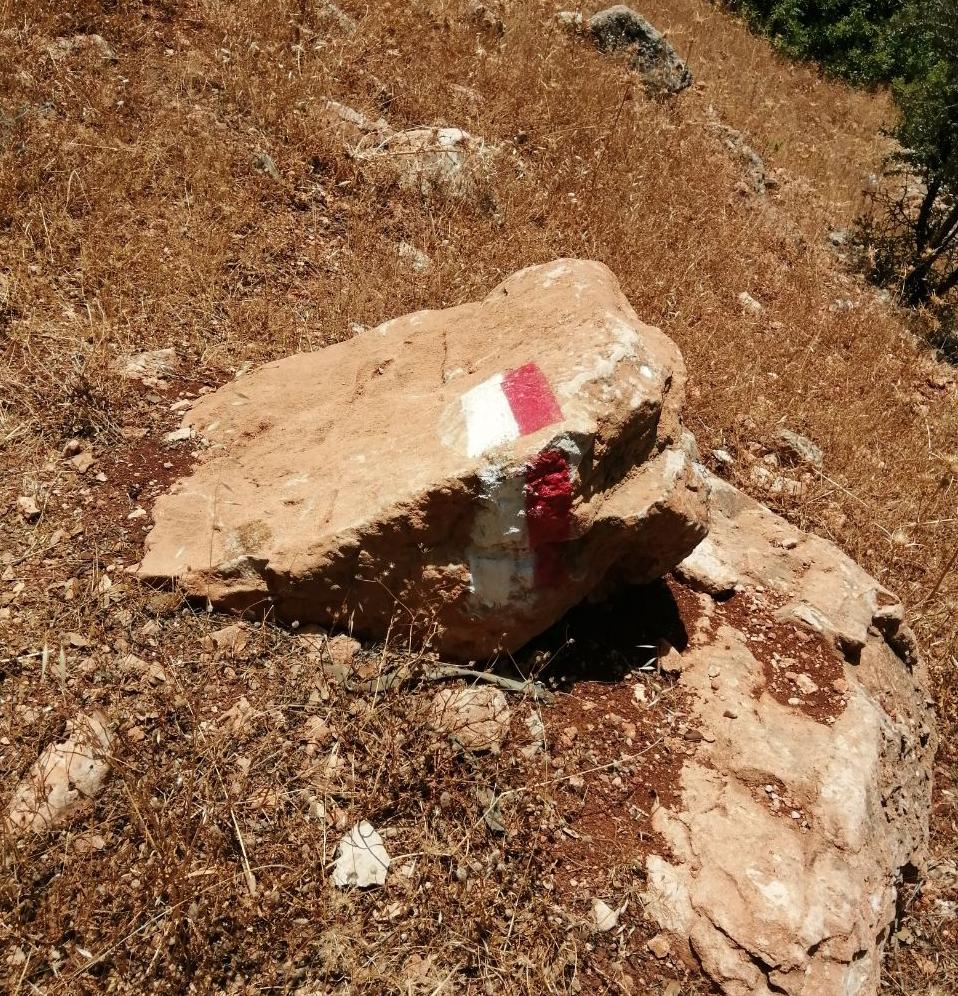
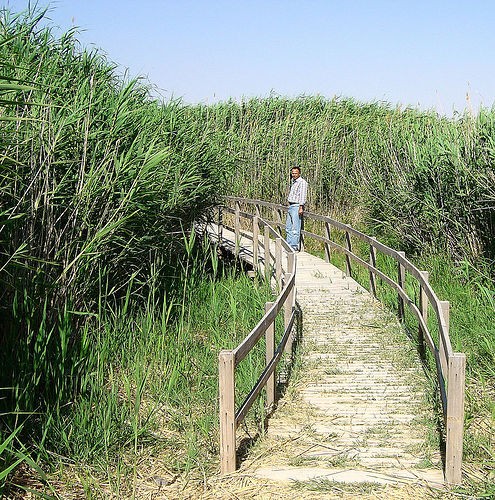
- Walking trails radiate from camp. Short loops through the cypress forest; longer trails descend into the reserve.
4Getting there
The campground is accessed via the RSCN office in Dana village, then a 15-minute 4×4 transfer up the ridge. From elsewhere:
- From Amman. 2.5 hours by car to Dana village, then RSCN-arranged 4×4 transfer.
- From Petra. 90 minutes north on the Desert Highway + 30 minutes detour to Dana.
- Combined trip. Stay 1 night in Dana village + 1–2 nights at Rummana for the full reserve experience.
For solo travellers
Solo single-tent rates are reasonable. Communal dining is friendly; bring a star-app (Stellarium) and you'll have company at the dinner table.
For couples
Tent number 1–4 has the best sky view and the easiest walk to the breakfast tent. Book early, especially in spring/autumn.
For families with kids
Older children love the camping-without-a-tent setup. Younger kids can find the cold nights tough; pack layers.
For adventure travellers
Combine with the White Dome Trail — hike from Rummana down through the reserve to Feynan Ecolodge (15 km, descending from 1,250 m to 50 m below sea level). One of the great hikes of the Levant.
Accessibility notes
The campground has limited wheelchair access — paths are gravel and sometimes uneven. RSCN can arrange accessible transfers; call ahead. Tents have step-up entries.
5Practical tips
- Open season. April–October only. The reserve closes in winter; rain and wind make the ridge unsuitable.
- Avoid full moon weeks. Even a quarter moon washes out the Milky Way. Plan for new-moon ±5 days.
- Layers. Even in July, temperature drops 15 °C from afternoon to 4 am. A fleece + windbreaker.
- Star-app. Stellarium (free) for tracking the galactic core position.
- Photography. Tripod required. ISO 1600–3200 + f/2.8 + 20 sec exposure for wide-field Milky Way.
- Combine with. The Dana village (separate post) for a 2-night Dana stay.
References
Verified by locals: TBD — this article will be reviewed by an RSCN-affiliated guide and an astrophotographer before final publication. Drafted from Wikipedia and observation experience.

Comments (0)