

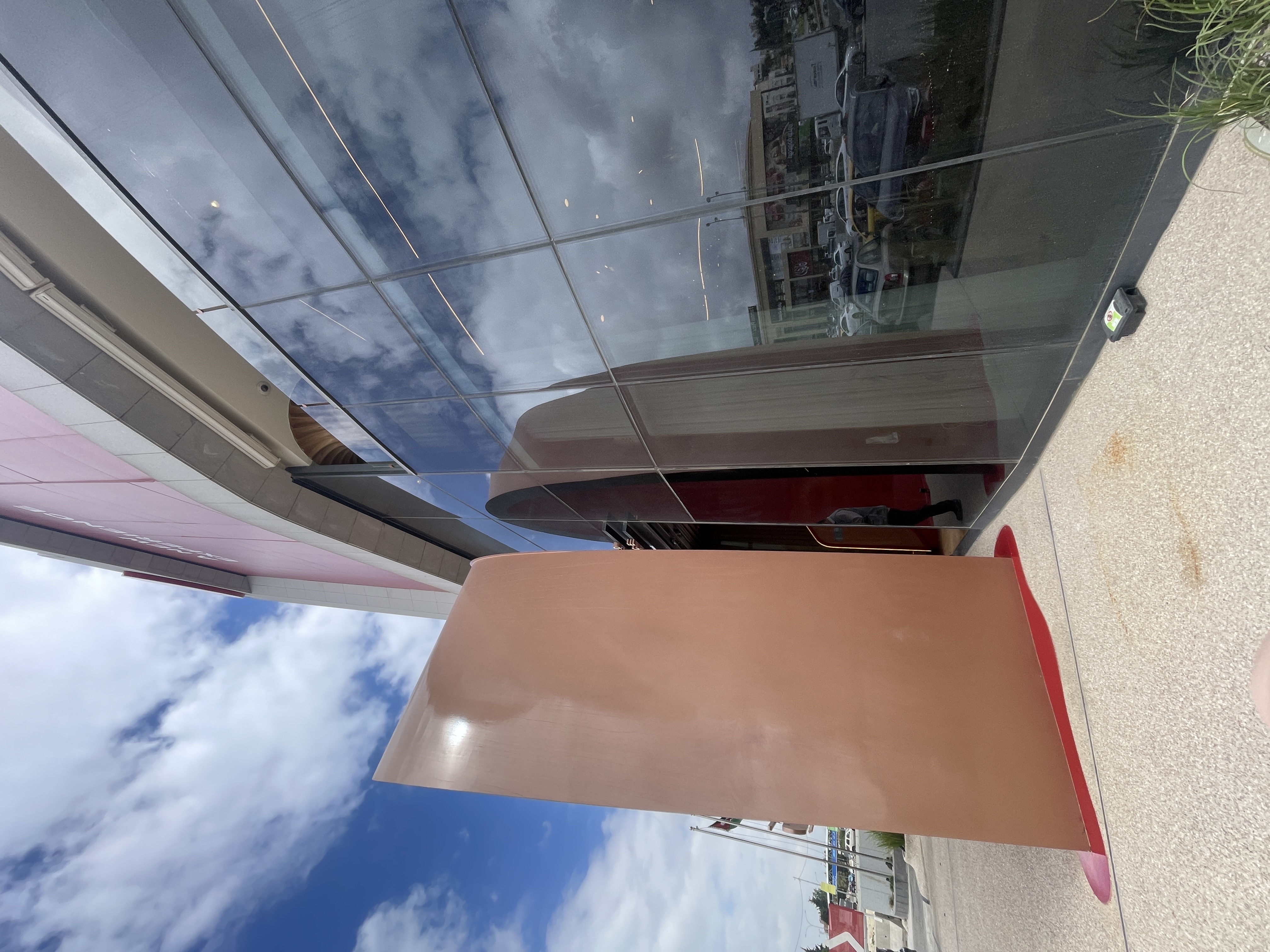
On the Aqaba corniche, between the central marina and the Mamluk fort, sits a building most travellers walk past. The Saraya is small and inconspicuous — three storeys, plain masonry, a couple of arched windows — but the layers in the walls record four distinct historical moments. The lower courses are 16th-century Mamluk; the middle courses are Ottoman; the upper additions are 20th-century. For a long stretch in the 1950s, the building housed Aqaba's only cinema. It is now a small heritage museum that tells the layered story.
Worth 30 minutes if you're walking the Old Town anyway.
1Why visit the Saraya
The Saraya is the rare small heritage building in Jordan that records modern history alongside ancient. The Mamluk and Ottoman periods are common in Jordanian heritage; the 20th-century cinema use is distinctive. Walking through the building gives you Aqaba's transition from caravan way-station to small port town to modern resort city in three rooms.
2The four layers
- Mamluk way-station (16th century). The lower courses of the eastern wall — basalt and limestone alternating in the local Mamluk pattern. The Saraya was a small fortified rest-stop on the pilgrim route to Mecca.
- Ottoman fortification (18th–19th centuries). The Ottomans rebuilt the upper walls and added an arched main entrance. The original wooden door is gone but the door-jamb survives.
- Arab Revolt + early Trans-Jordan (1917–1940s). The building changed hands during the Arab Revolt — it was briefly a meeting house for revolt commanders, then a small administrative office under Trans-Jordan.
- Cinema period (1950s). Re-fitted as Aqaba's only cinema; ran Egyptian films and the occasional Hollywood import. The cinema closed in the late 1960s; the building was used variously as a store, office, and garage before the heritage restoration in the 2000s.
3The cinema period
The cinema chapter is the most documented and the most distinctively local. Old photographs in the museum show queues outside the Saraya for Friday-night Egyptian films — Umm Kulthum film concerts, Farid al-Atrash romances, the occasional dubbed Hollywood western. The interior was retrofitted with raked seating; the basalt walls absorbed the sound. Older Aqaba residents still remember it.
The cinema didn't survive the rise of TV in the 1960s, and Aqaba's growth around its modern marina pushed the entertainment elsewhere. The Saraya's restoration in the 2000s reverted the interior to something closer to the Ottoman layout but the cinema photographs and a single restored seat are on display.
4Getting there
The Saraya is on the Aqaba corniche, a 5-minute walk east of the Mamluk fort. Easy to find — look for the small two-storey stone building between the fort and the marina.
For solo travellers
Combine with the Old Town walking tour and a coffee at one of the corniche cafés.
For couples
The Saraya is a short stop — combine with sunset at one of the corniche restaurants.
For families with kids
The cinema photographs hold attention briefly; the building is small enough that kids don't get bored.
For adventure travellers
Probably skip — the Saraya is a 30-minute heritage stop, not an active site.
Accessibility notes
Ground floor accessible from the corniche; upper floor requires steps. Most exhibits are on the ground floor.
5Practical tips
- Tickets. Modest fee in JD; sometimes free.
- How long. 30–45 minutes.
- Best time of day. Late afternoon — combine with sunset on the corniche.
- Combine with. The Mamluk fort (5-min walk west), the souk (5-min walk inland), corniche cafés.
References
Verified by locals: TBD — this article will be reviewed by an Aqaba-resident heritage editor or ASEZA cultural-affairs contact before final publication. Drafted from Wikipedia and Aqaba resident knowledge.

Comments (0)